
What Happens During a Wedding Ceremony?
A Step-by-Step Guide for Couples
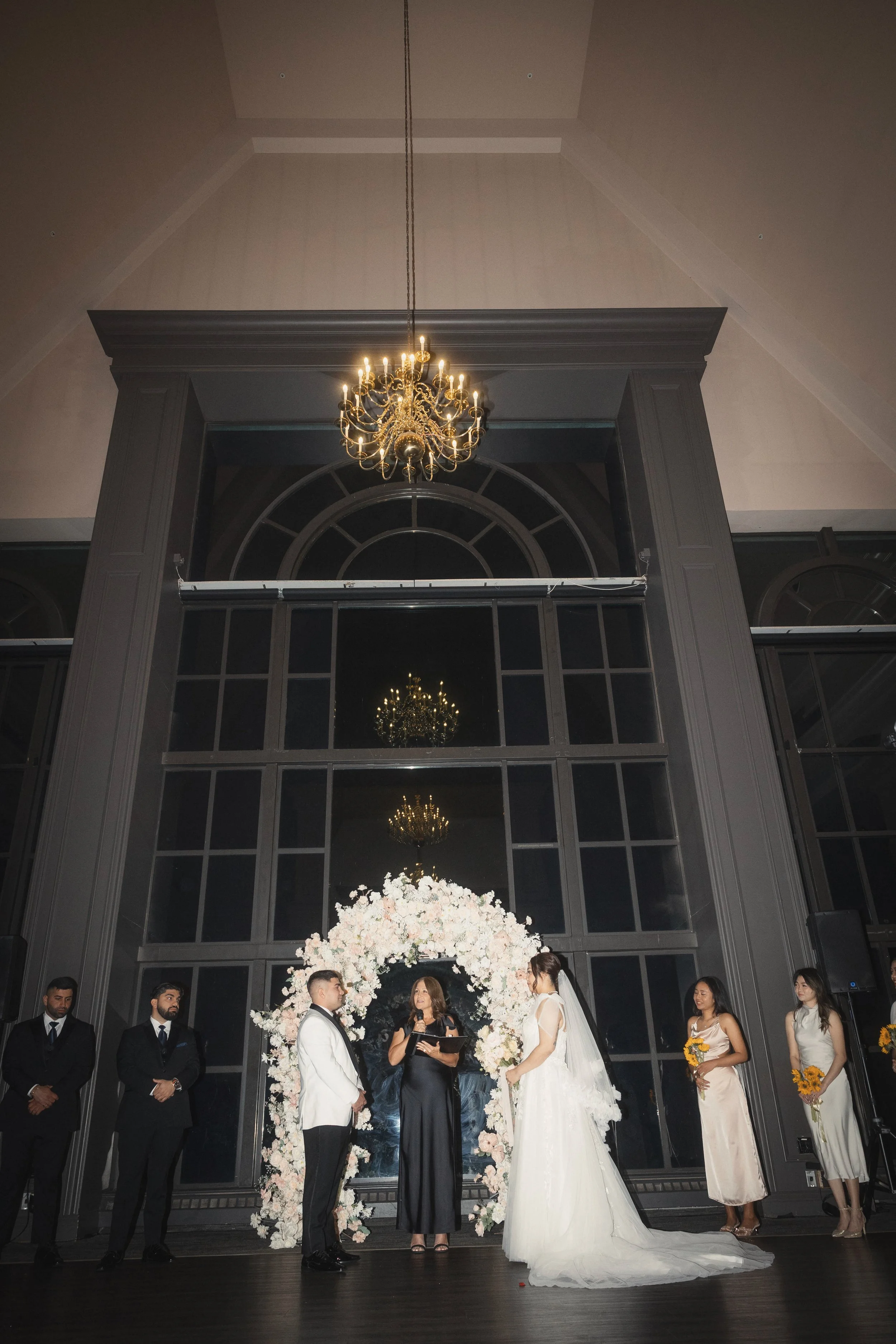
by Shebanits Photo
For many couples, the ceremony is the most meaningful part of the wedding day — and also the most unfamiliar.
If you’ve ever found yourself wondering “What actually happens during a wedding ceremony?” or “Will we know what to do?” — you’re not alone.
The good news?
You don’t need to memorize anything, rehearse lines, or worry about getting it “right.”
A wedding ceremony is not a performance.
It’s a guided moment — and your officiant is there to lead you every step of the way.
Here’s what you can expect.
A typical wedding ceremony follows this order:
Processional (the entrance)
Welcome and opening words
Commitment statement (statement of intent)
Your story and any readings
Vows or promises
Ring exchange
The legal signing (when applicable)
The pronouncement
The closing and first kiss
Recessional and celebration
Before the Ceremony Begins: Arriving & Settling In
Before anything formal happens, there’s a quiet shift — a pause.
You arrive.
Guests gather.
There’s a feeling that something important is about to begin.
This is where a good officiant starts working quietly behind the scenes:
Making sure everyone is in the right place
Checking in with you
Ensuring witnesses are ready
Holding space for calm
You don’t need to worry about timing, cues, or logistics. That’s already taken care of.
The Welcome: Setting the Tone
The ceremony begins with a welcome.
This is where the officiant:
Greets your guests
Acknowledges the significance of the moment
Sets a tone that reflects you — warm, joyful, intimate, lighthearted, or deeply reflective
This opening moment helps everyone arrive emotionally, not just physically.
The Commitment Statement (Statement of Intent)
Following the welcome, the ceremony often moves into what’s known as the
Commitment Statement, sometimes called the Statement of Intent.
This is the moment where each of you clearly and intentionally states your desire
to enter into marriage.
It’s usually expressed through a simple “I do” or “I will”, and while it may sound
straightforward, it carries real legal and symbolic weight. This is the moment where
consent is spoken aloud — witnessed by those gathered and recognized by law.
Your officiant will guide you through this gently, asking each of you a question such as:
“Do you take this person to be your lawful spouse…?”
You simply respond with “I do” or “I will.”
There’s no need to memorize anything, and no pressure to perform. Your officiant
sets the pace, prompts the words, and ensures this moment feels grounded, clear,
and meaningful.
Once this commitment is made, the ceremony naturally flows into the story —
the why behind the promises you’re about to share.
The Story: Why You’re Here
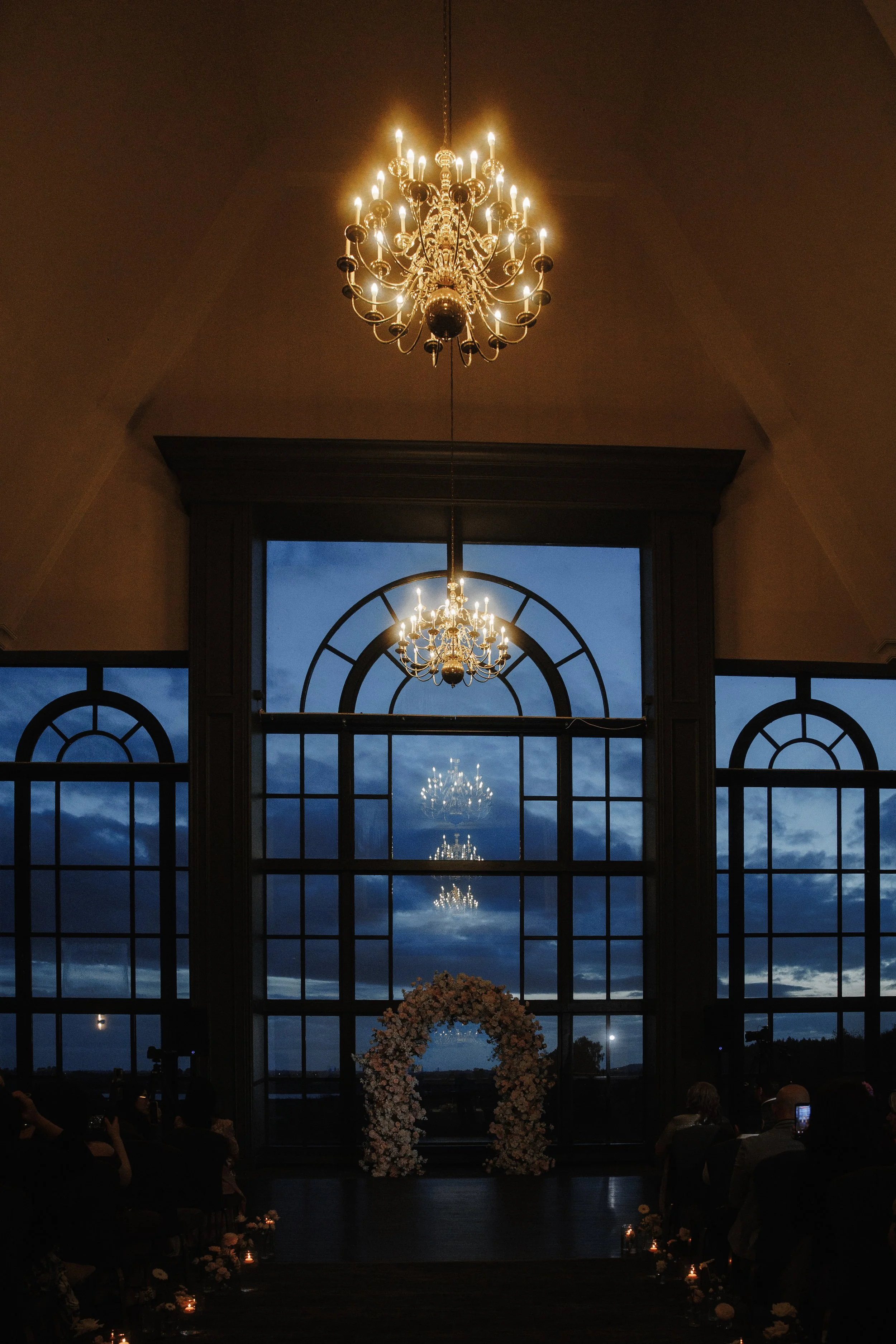
by Shebanits Photo
Next comes the heart of the ceremony.
This may include:
Reflections on love and commitment
A brief telling of your story
Words about partnership, presence, and intention
At Vancouver Officiant, this part is always personal — never generic.
It’s not about reciting a script.
It’s about creating meaning in the moment.
Sharing your Vows or Promises
This is where you turn toward each other and make your promises.
Depending on your choices, this may include:
Guided vows spoken line by line
A combination of both
If nerves show up here, that’s completely normal.
Your officiant will slow things down, guide you, and make sure you never feel rushed or unsure.
You’re not expected to remember anything — just to be present.
The Ring Exchange
If you’re exchanging rings, this usually follows the vows.
The officiant will:
Explain the meaning behind the rings
Guide you through the exchange
Prompt the words, if words are included
This moment is simple, symbolic, and often deeply emotional — even for couples who expected to feel calm.
The Legal Signing (When Applicable)
In British Columbia, the marriage licence must be signed by:
The couple
Two witnesses
The officiant
This may happen:
During the ceremony
Immediately after
Privately, depending on your preference
Your officiant ensures all legal details are handled properly, so you never need to worry about paperwork.
The Pronouncement
This is the moment everyone has been waiting for.
After your commitments are made, the officiant formally pronounces you married.
It’s joyful.
It’s grounding.
And yes — this is when the smiles, cheers, and happy tears usually begin.
The Closing & Celebration
The ceremony closes with:
Final words
A blessing or reflection (if desired)
An introduction of you as a married couple
And just like that — you’re married.
From here, the celebration continues.
A Final Thought for Couples
Most couples tell us the same thing afterward:
“It went by so fast — but it felt exactly right.”
That’s because a ceremony isn’t about knowing what comes next.
It’s about trusting someone to guide the moment with care.
At Vancouver Officiant, that’s what we do — calmly, intentionally, and always with heart.
If you’re planning your ceremony and have questions, we’re always happy to help you understand what to expect — and how to make it feel like yours.
Frequently Asked Questions
How long is a wedding ceremony?
Most wedding ceremonies run about 20 to 30 minutes. A short and simple ceremony can be 10 to 15 minutes, and one with readings, rituals, and personal vows may run closer to 30 to 40.
What is the order of a wedding ceremony?
Processional, welcome, commitment statement, your story and readings, vows, ring exchange, the legal signing, the pronouncement, and the recessional. The full walk-through is above.
Who speaks during a wedding ceremony?
Mostly your officiant, who guides every part. The two of you speak your vows and your I do. Readers or family members may share a reading, and guests are sometimes invited to respond during the welcome.
Do you need a rehearsal?
It is not required, but a short rehearsal helps everyone feel confident about where to stand and when to move, especially with a wedding party or a more involved processional.
Planning Your Ceremony?
Explore our officiant services or reach out anytime — we’re here to support you from planning to pronouncement.